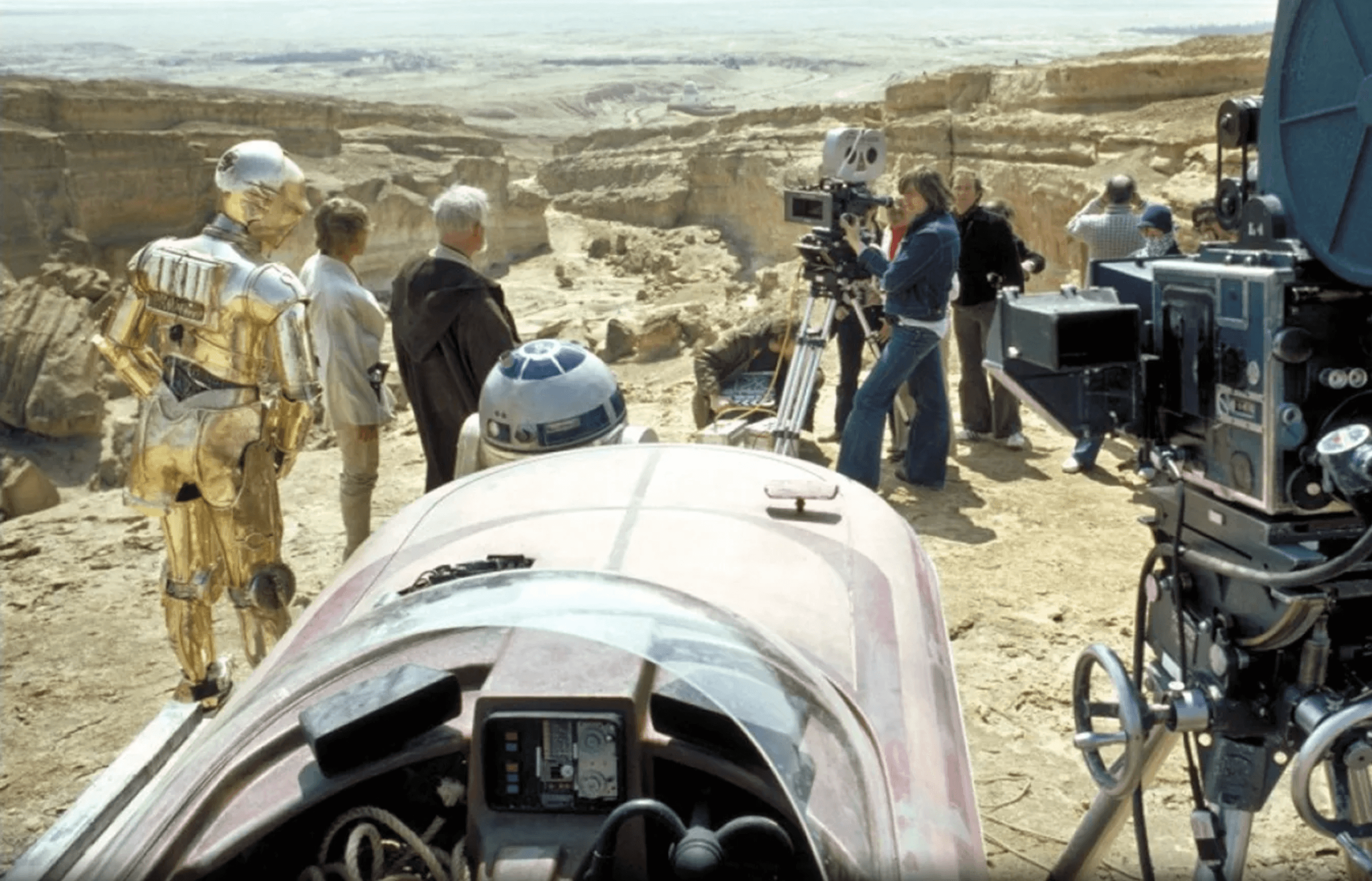
I watch a lot of movies, and I've gotten fascinated by how they're made and how much work goes into every frame. Film sets have the luxury of deep specialization: lighting, photography, VFX, editing, sound; software doesn't, so a design leader wears a lot of hats. These are the four I wear most often. Always in the service of of the designers on my team.
Director
Set the vision, in charge of day to day operations and pulling the best work from the team.
Producer
Bring all the other functions together, connect, unblock, resources.
Editor
Narrative cohesion, handoff between experiences, simplify, quality assurance
Agent
Find opportunities to earn new skills, get their name and work out there.
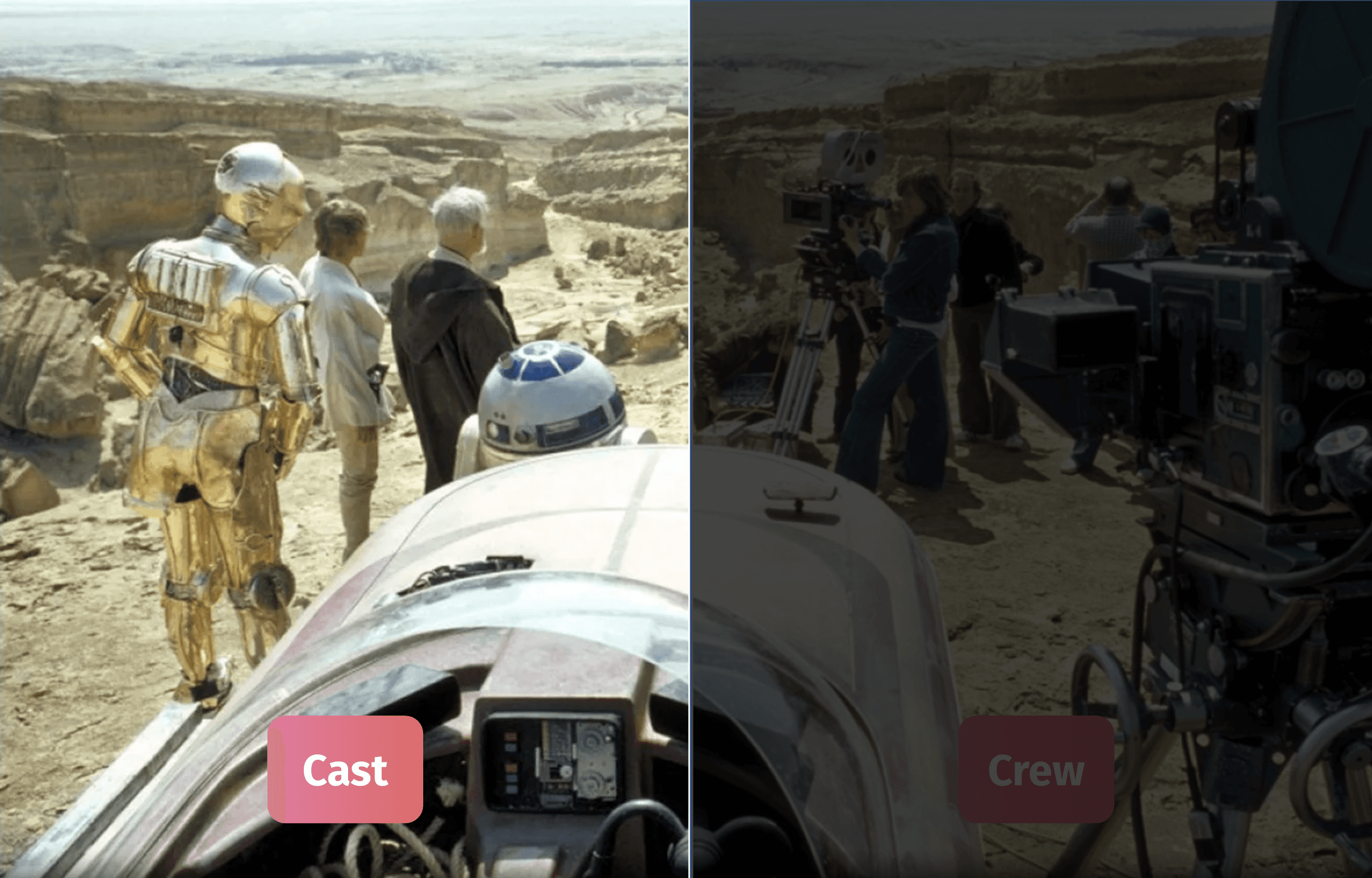
What I expect from my team
Great design never ships in isolation. I expect every designer to build knowledge that starts with the user and widens all the way out to the business.
01
Know your users
Real empathy for the people we design for, not personas on a slide. What are they trying to accomplish, and where does today's experience let them down?
02
Know the product
Know your area deeply, and know how it connects to the full customer journey. We don't ship our products in isolation.
03
Know your numbers
A fluency for the metrics that matter: the health and outcome numbers for your area, the common user lifecycles, and the clearest pain points.
04
Know the business
Understand how the product makes its money, and how the experiences you design move that bottom line.
05
Know your stakeholders
06
Know the company
Network across the org. Understand what makes it tick, who decides, and how work actually gets done.
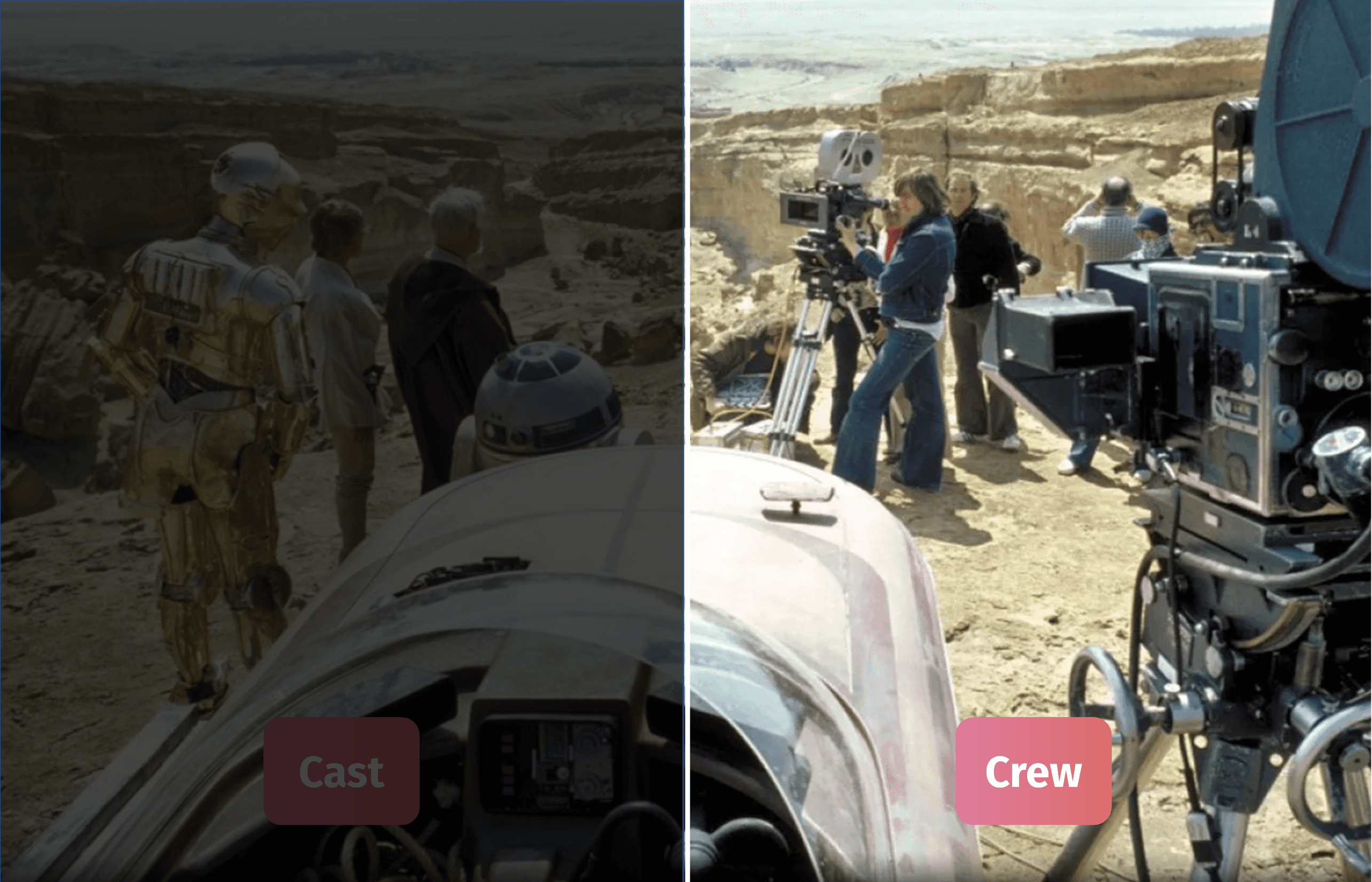
What my teams can expect from me
Empowerment and autonomy
At the start of a project, the designer writes the action plan from discovery to delivery and reviews it with PM and engineering. It lets them work the way that makes sense to them while staying accountable. I make connections, find chances for them to show their competencies, and give them the tools to succeed.
Growth & talent
Regular conversations about how they want to grow: what energizes them, what depletes them, what challenges them, where they want to go, and a quarterly plan to get there.
Growing relationships
I model strong relationships with product and engineering, and help my designers build their own. Help your partners where it counts, and learn to ask for what you need.
Closeness to users & data
I attend every user testing session I can and debrief with the team after. I push for collaboration with research, or thoroughness when there's no researcher.
Business context
Everyone on my team can connect their work to the key metrics, and to how the product makes or saves money.
A little bit more about me:
My trademark is helping teams find unmet user and business needs that turn into conversion, mutual success, and of course, dollars.
I can drive product initiatives that deliver measurable business value, defining and refining roadmaps, collaboratively setting a vision for products.
I am very comfortable leveraging research, data, AI, and ML to create solutions.
Part of my jobs is becoming good friends and allies with engineers and product people, and letting them into the design process.
I bring bring deep and broad expertise in all areas of design and product development.
I'm good with numbers, I can help teams define metrics, objectives and key results.
I become a schmoozer throughout an organization, finding common ground, and common victories.
I team teach, mentor, and help designers grow their skills, strategic thinking and influence.
I care about good outcomes for my team, and I’m also their # 1 cheerleader, I care about their careers, their performance, building great portfolio pieces, a healthy work-life balance, and making sure they’re taking care of themselves.